
Tapping into risk in America’s drinking water
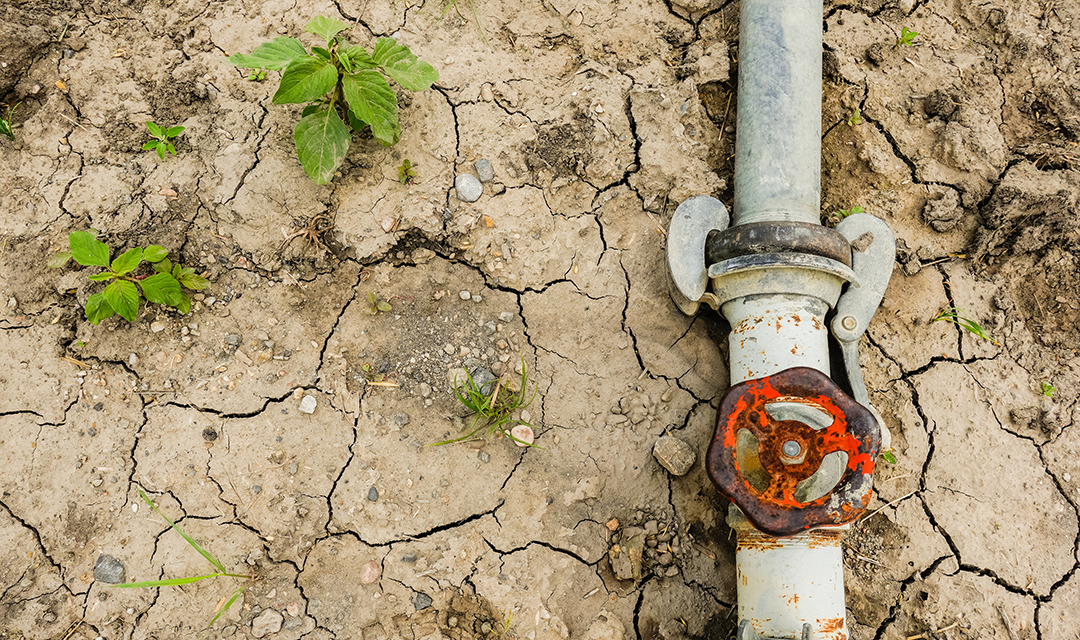
A new study develops a Drinking Water Utilities Climate Risk Index, finding utilities serving 67 million people face high climate risk. Yet 36% of bonds, totaling $9.2 billion in debt, omit climate change, revealing gaps in preparedness that affect communities, infrastructure, and investors.
When you turn on the tap, you can typically expect clean, safe water to flow out. But behind that simple action lies a complex system of pipes, pumps, governance, and financials that, for millions of Americans, is at risk in the face of climate change.
To address this, a team of researchers at Carnegie Mellon developed the first publicly accessible Drinking Water Utilities Climate Risk Index for the United States, a comparative tool that measures the risks drinking water systems face from climate events like droughts, floods, and extreme heat. By cross-referencing 1,455 medium and large water utilities across the country with what those utilities reported in their bond disclosures (financial documents that show investors the risks associated with lending money to these utilities), the study finds a gap between the actual climate risk and the risk reported in their disclosures.
Utilities serving 67 million people were rated as high risk, but more than a third of their bonds (36%) do not mention climate change, leaving communities exposed to potentially unsafe drinking water during extreme weather events and investors unaware of hidden financial liabilities. The municipal bonds studied represent $39.3 billion in debt, most of which will mature within the next 20 years. Of that total, $9.2 billion was issued by utilities identified as having high risk to climate change, but with limited evidence of climate risk awareness.

Map of climate risk index for U.S. drinking water utilities: Minimal risk (yellow), low (orange), moderate (brown), and high (red).
“Climate change hazards can affect multiple aspects of drinking water systems, from the water supply to the built infrastructure to a utility's operations,” said Zia Lyle, lead author of the study who conducted the research during her Ph.D. program at CMU’s Department of Civil and Environmental Engineering. “There are large financial risks to not planning for these changes.”
Risk levels vary across regions: In the Western United States, utilities are more vulnerable due to expected increases in climate hazards like drought and heat waves, while communities in the Northeast and Midwest—where approximately 70% of the most vulnerable utility systems exist—already face older infrastructure and lower operating ratios.
In addition to climate considerations, several states also find themselves at risk financially. Researchers found that Michigan, Illinois, California, Massachusetts, Virginia, and Texas have utilities that are extremely susceptible to climate events and have more than $500 million in recent bond debt, a combination that could pose risks to infrastructure systems, communities, and investors.

Map of climate resilience classifications for drinking water utilities: High priority (red) show high risk with no climate mention in bond statements; Medium (yellow) reflect mixed risk and disclosure; Low (blue) indicate lower risk with climate disclosure.
Smaller towns and cities, however, may find themselves with the greatest challenges. On average, a high-risk utility serves approximately 52,000 customers, compared to 139,000 for low-risk utilities. As a result, small communities, which already lack the staffing and funds to properly enact plans for climate adaptation, are often disproportionately vulnerable to extreme climate events.
The study also highlights differences in state-level preparedness. Texas, for example, has the largest number of high-risk drinking water utilities in the country, but no state-led climate adaptation plans and only 5% of bond statements that mention climate change. In comparison, Colorado utilities demonstrate how proactive planning and investment in climate resilience can reduce overall risk, even though they experience a high number of climate hazards.
Looking forward, the team recommends their Drinking Water Utilities Climate Risk Index as a resource for utility companies, their customers, bond purchasers, and regulatory agencies to better understand the future risk they face compared to other utilities across the country. The research team also plans to expand their index to include thousands of smaller utilities serving fewer than 10,000 people, where they face more hurdles to enacting climate adaptation strategies, but the utilities remain vital to the communities they serve.
Utilities that invest in resilience now will ensure our water systems are resilient over the next several decades.
Zia Lyle, Ph.D. graduate , Civil and Environmental Engineering
“The Bipartisan Infrastructure Law in 2021 allocated more than $11 billion in funding to states for water utility infrastructure and recommended that states determine ways to prioritize climate resilience,” said Costa Samaras, professor of civil and environmental engineering, who coauthored the study along with former CEE Professor Jeanne VanBriesen. “Our research can help decision-makers make these needed investments.”
By combining climate data with financial analysis, CMU researchers offer a path toward better climate adaptation and preparedness for communities across the United States, not only protecting our infrastructure, but also our public health, financial planning, and the everyday reliability of the water we depend on.
“Drinking water utilities across the country are exposed to climate change risks,” said Lyle. “The utilities that invest in the resilience of their systems now will ensure our water systems are resilient over the next several decades.”