CMU, Pitt, WVU to boost energy innovation with $320M NSF Engine
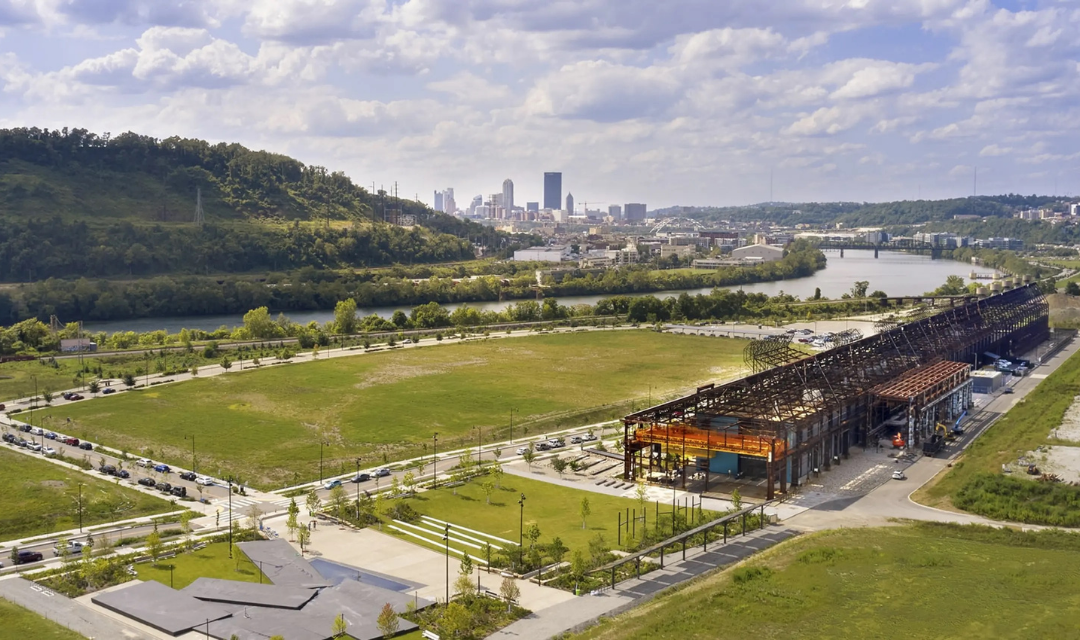
As a core RETI Consortium partner with deep expertise in energy, industrial innovation, computing, and AI, CMU will drive multiple strategic areas to accelerate next-generation energy technologies.
Carnegie Mellon University will play a central role in a new U.S. National Science Foundation (NSF) Regional Innovation Engine designed to strengthen energy technology, manufacturing competitiveness, and economic opportunity across Appalachia.
Led by West Virginia University in partnership with Carnegie Mellon University, the University of Pittsburgh, and more than 60 regional partners, the Resilient Energy Technology and Infrastructure (RETI) Consortium will receive up to $160 million over 10 years through the NSF Regional Innovation Engines program and will leverage another $161 million from RETI’s established industry, workforce, philanthropy, state government, and community partners to develop a world-class industrial energy innovation hub in the heart of Appalachia. After a competitive two-year selection process, NSF announced the RETI Consortium on July 14 as one of 12 new National Science Foundation Regional Innovation Engines award recipients.
The RETI Engine will fund research into making power grids and industrial energy systems more resilient and energy efficient. RETI will also support the deployment of this research into new regional businesses through entrepreneur fellowships, business development workshops, and state-of-the-art testing facilities.
Source: National Science Foundation
After a competitive two-year selection process, NSF announced the RETI Consortium on July 14 as one of 12 new National Science Foundation Regional Innovation Engines award recipients.
“Our region has powered America's economy for generations, and today we have an opportunity to help power its future,” said CMU President Farnam Jahanian. “We are grateful to the NSF for this award, which recognizes the extraordinary assets across Pennsylvania and West Virginia, as well as the importance of leveraging research, entrepreneurship, workforce development, and industry around a shared vision. Working together, we can accelerate innovation, strengthen energy resilience, and create new pathways to prosperity for our communities and our nation.”
As a core RETI Consortium partner with deep expertise in energy, industrial innovation, computing, and artificial intelligence (AI), CMU will drive multiple strategic areas within the RETI Engine’s leadership, including policy, research, and commercialization efforts to accelerate next-generation energy technologies. The award also complements Allegheny County’s recent initiative in clean technology and advanced manufacturing through County Executive Sara Innamorato’s Advancing Clean Technology for Neighborhood and Next-Generation Opportunity and Workforce (ACT NOW) Executive Order.
CMU will lead major commercialization efforts for the RETI Engine, helping translate promising energy technologies into startups, products, and economic opportunity across Appalachia. Through the Swartz Center for Entrepreneurship, CMU will expand its Innovation Commercialization Fellows program to serve graduate students across West Virginia and western Pennsylvania, providing entrepreneurial training, mentorship, and matching funds to help launch new energy ventures. Complementing these efforts, CMU’s Center for Technology Transfer and Enterprise Creation will support researchers and entrepreneurs with intellectual property strategy, market assessment, and commercialization expertise and helping to move breakthrough technologies from the laboratory to the marketplace.
“The RETI Engine creates an unprecedented opportunity to accelerate the translation from research to deployment,” said Theresa Mayer, vice president for research at Carnegie Mellon University. “By combining world-class research with entrepreneurship, commercialization, and strong regional partnerships, we can help transform promising energy technologies into new companies, high-quality jobs, and lasting economic opportunity across Appalachia.”
Mayer will serve on the RETI Governing Board to provide oversight and strategic direction. CMU’s lead investigator on the RETI Engine is Valerie Karplus, associate director of the Scott Institute for Energy Innovation and a professor in the Department of Engineering and Public Policy.
“We are thrilled that the RETI Engine will leverage a broad set of CMU strengths,” Karplus said. “CMU brings a strong tradition of working across disciplines to support enterprise creation and regional economic development in a way that is problem-focused, evidence-driven, and rooted in shop floor realities.”
Karplus also will serve as RETI's director of policy, leading a cross-sector policy council that will be supported by the Scott Institute and will develop evidence-driven analysis and recommendations to support the growth of new energy and industrial technology ventures across West Virginia and Western Pennsylvania.
“The Scott Institute team is tremendously excited to work with WVU, Pitt, and our partner network to take our region’s industrial energy innovation system to the next level,” said Karplus. “The future of manufacturing in the U.S. depends on the ability of regions like ours to come together in support of a shared vision—and here RETI has the potential to be catalytic.”
The future of manufacturing in the U.S. depends on the ability of regions like ours to come together in support of a shared vision—and here RETI has the potential to be catalytic.
Valerie Karplus, Associate Director, Scott Institute for Energy Innovation
The NSF Engines program, launched by NSF’s Directorate for Technology, Innovation and Partnerships (TIP), is building and scaling regional innovation ecosystems nationwide.
“NSF Engines investments in critical technologies and future industries will transform America’s innovation infrastructure for decades to come," said Brian Stone, performing the duties of the NSF director. “The NSF RETI Engine will strengthen U.S. energy security and grow the industry by advancing resources for energy grid management, storage, and cybersecurity.”
Each NSF Engine is powered by a broad coalition of private sector, regional and scientific leaders, and organizations to accelerate breakthrough emerging technology research and development that drives growth and ultimately bolsters U.S. economic competitiveness and national security.
What they’re saying:
“Pennsylvania has consistently been a leader in developing cutting-edge technology thanks to the talent and research at our universities and businesses,” said Sen. John Fetterman (D-PA). “As a member of the Senate Commerce, Science, and Transportation Committee, I’m glad NSF is recognizing and rewarding the ongoing work at Carnegie Mellon University, the University of Pittsburgh, West Virginia University, and other RETI partners to address the challenges of powering our economy.”
“Congratulations to Carnegie Mellon University, the University of Pittsburgh, West Virginia University, and all of the partners on earning this outstanding NSF Regional Innovation Engines award,” said Sen. Dave McCormick (R-PA). “I was proud to support this opportunity because it's exactly the kind of collaboration that keeps our region at the forefront of innovation. This investment will help strengthen our economy, generate technological competitiveness, create new jobs, and build on our Commonwealth’s leadership in energy, AI, and advanced manufacturing.”
“Congratulations to Pitt and CMU for being part of a winning regional consortium that will generate new opportunity for Western Pennsylvania through the National Science Foundation's Technology and Innovation Partnerships (TIP) Directorate,” said Rep. Summer Lee. “Pittsburgh is a hub for technological innovation, and, with this federal support, it can lead the nation in translating basic science discoveries into innovations that benefit everyone. I am excited to continue working with the world-class institutions in my district to build a future that is more sustainable and affordable.”
“Western Pennsylvania is ready to lead the nation in next-generation energy technology and advanced manufacturing,” said Allegheny County Executive Sara Innamorato. “This investment from the National Science Foundation will grow our region's world-class energy research and accelerate the creation of new businesses and jobs based on that research. I'm excited to work with Carnegie Mellon University, the University of Pittsburgh, West Virginia University and their partners to realize our shared goal of an energy efficient and resilient innovation ecosystem.”